
“An accident is an inevitable event that everyone experiences at some point in life.”
– Unknown
#1 Accidental activation of a sprinkler system at a warehouse
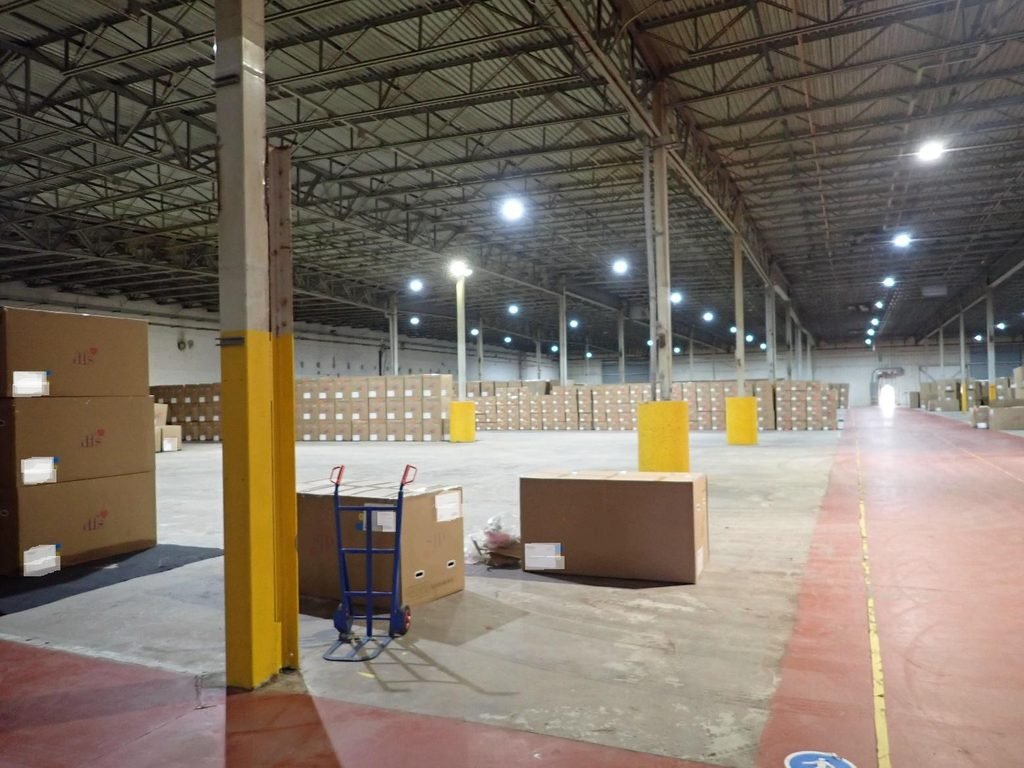
At a commercial warehouse there was a sprinkler system recommissioned by an external contractor 2 years before the incident. The loss involved activation of two sprinkler heads, causing water damage to the goods and resulting in substantial property loss. The incident sprinkler heads were installed in proximity to a ventilation duct in the roof of the building. During the site inspection, it was established that the ventilation system for the building had undergone modification shortly before the occurrence of the incident. Each of the Air Handling Unites was equipped with a heat exchanger that was supplied with water from a boiler. The boiler operated at a temperature of at least 82°C while the incident sprinkler heads were rated to 68°C, and it was concluded that the hot air from the duct allowed the unintended activation of the sprinkler system.
The investigation provided a valuable outcome regarding the liability of the contractor responsible for the recommissioning of the sprinkler system prior to the incident.
#2 Separation of a compression joint
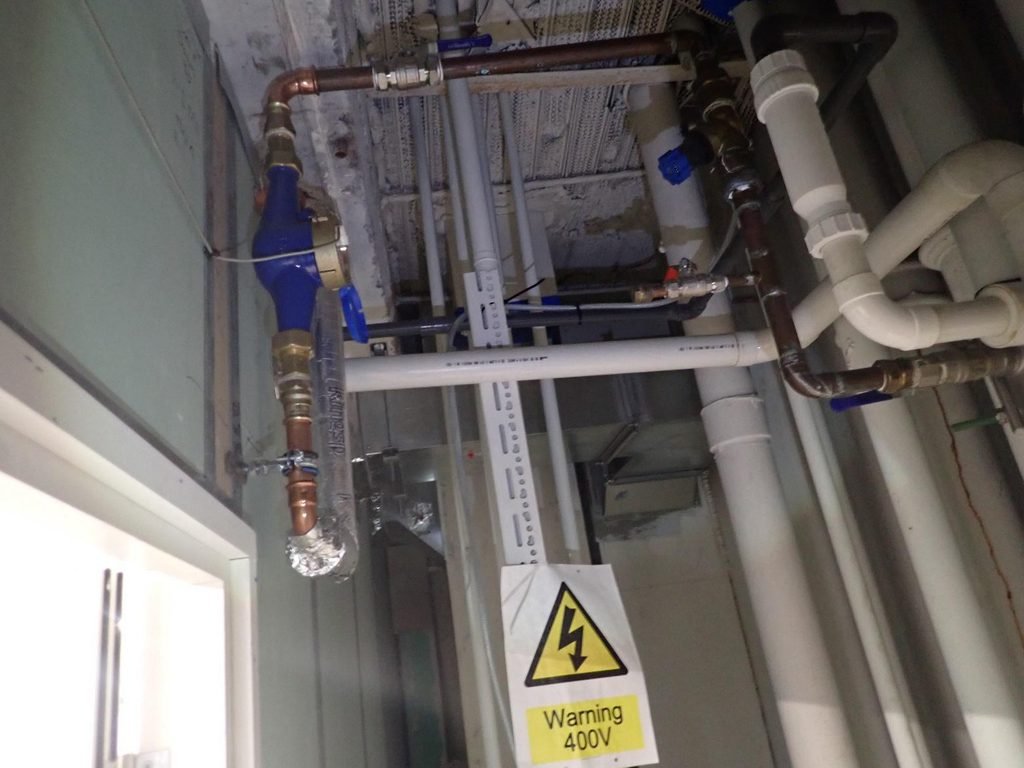
The incident involved separation of the compression joint installed on a 2″copper pipe that provided cold water to residential apartments in a multi-story building. The loss caused massive escape of water from the joint, resulting in property damage. The emergency services shut off the electricity to the building. That resulted in the necessity to evacuate hundreds of residents, generating multiple claims for alternative accommodation costs.
The incident occurred while one employee of a contractor responsible for refurbishment workes within the building was present inside the riser enclosure where the incident pipework was installed. The incident pipe end was plastically deformed with visible circumferential marks on the surface of the pipe. The expert retained the pipe end from the separated joint for detailed laboratory examination.
Operation test of the pump set carried out during the site inspection indicated malfunction of one of the pumps posing a possibility of overpressure in the system (excluded in later investigation of the system operation logs).
During the investigation, the expert carried out laboratory tests on exemplary compression joints using a dedicated fatigue test bench to simulate the external loading of the incident joint caused by physical contact that could have occurred during the refurbishment works. The fatigue tests resulted in the separation of tested joints and produced deformation of the pipes and markings on the pipe surfaces that were similar to the incident pipe.
The expert analysis allowed to answer questions regarding the circumstances preceding the occurrence of the incident and provided information on the quality of the compression fitting in question. For the client, the analysis was a crucial element of further proceedings aimed at establishing the liability for the incident, as well as of the pre-litigation process.
#3 Damage to the transfer box of paper machine
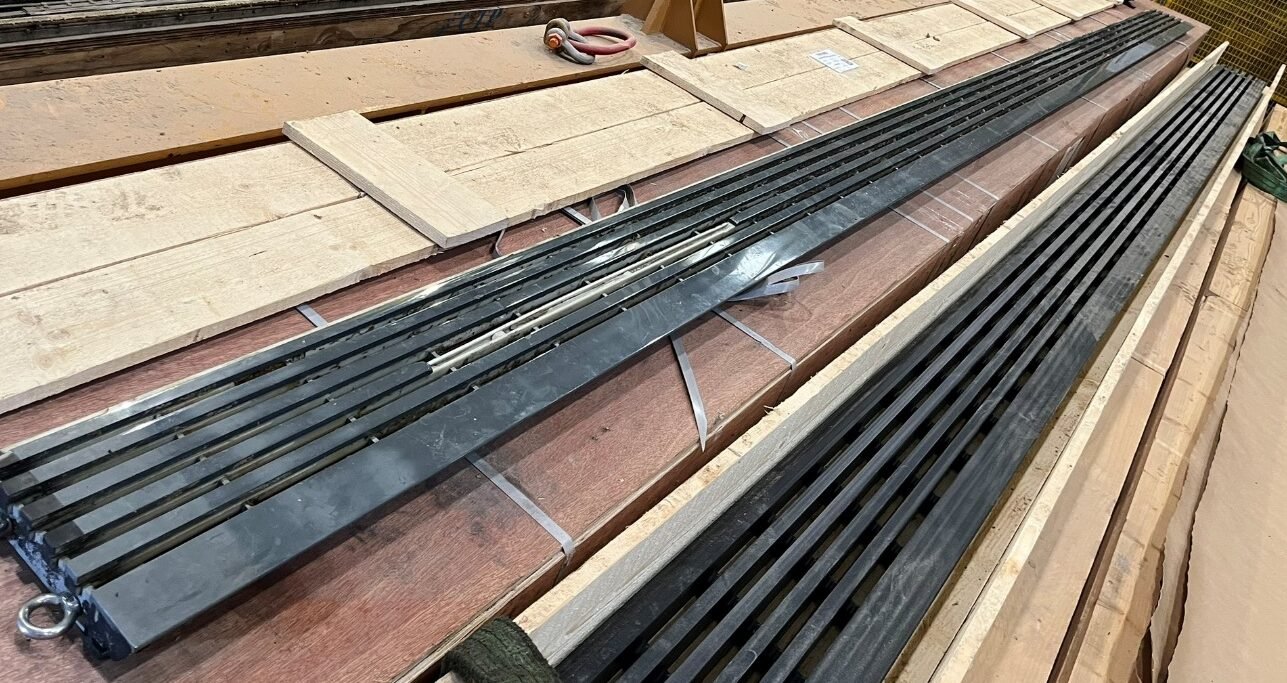
At a paper machine, a trnsfer box (a negative pressure element used to transfer the paper beetween rolls) failed during the production proces. Several ceramic tiles were detatched for transfer box frame causing damage to semi finished products and production down time. No damage to the external parts of the transfer box was observed, thereby ruling out the possibility of foreign object damage to the transfer box. Pressure records for the transfer box indicate continuous negative pressure prior to the incident.
The investigation involed visual examination of the damaged ceremic parts and analysis of process parameters. It has been concluded that the incdent was due to inadequate quality of the adhesive bond between the ceramic tiles and the transfer box frame. An expert assessment concluded that the supplier of the production line which included the transfer box is liable for the incident.